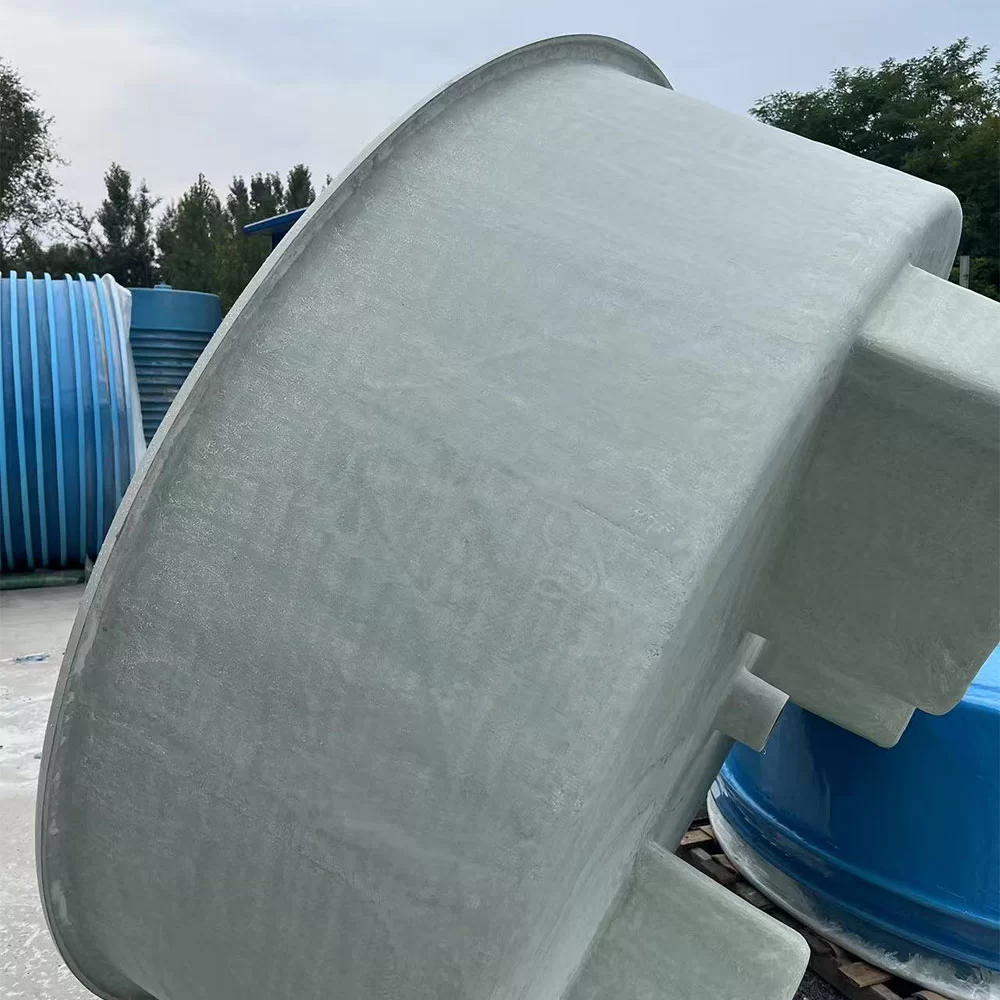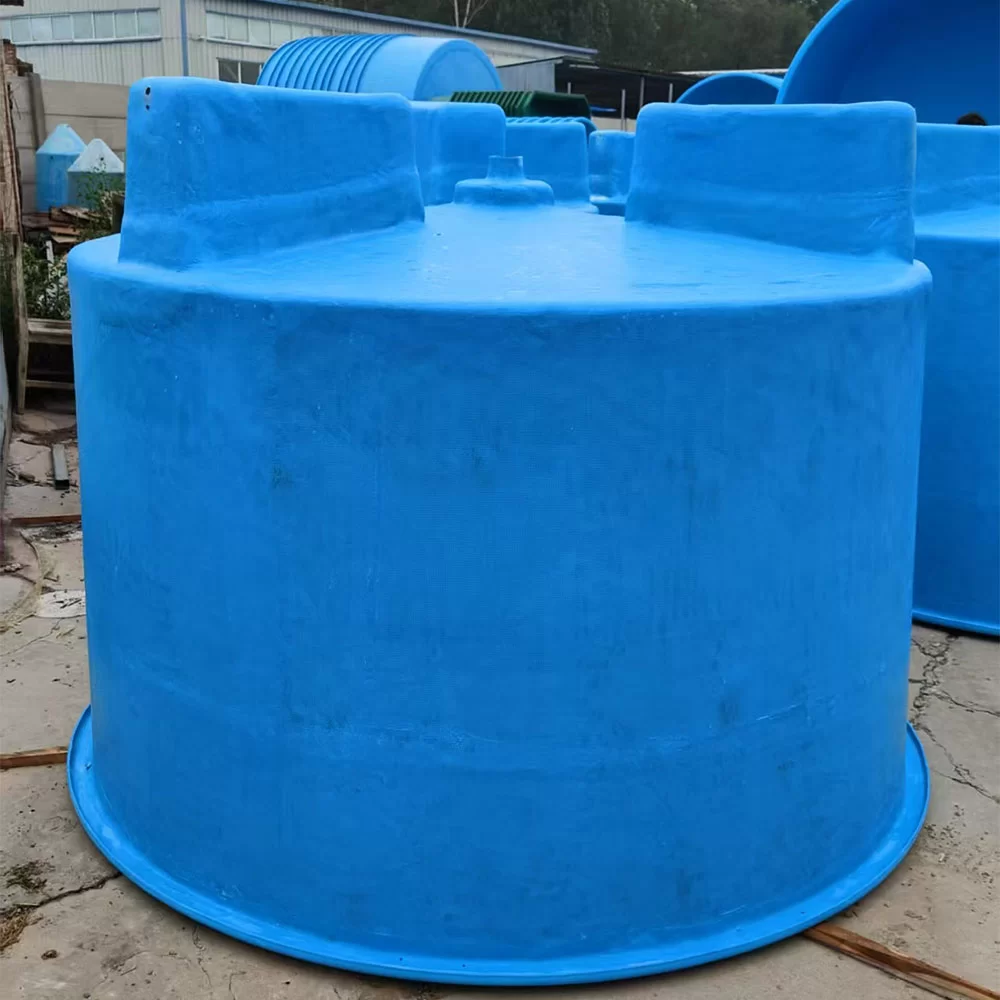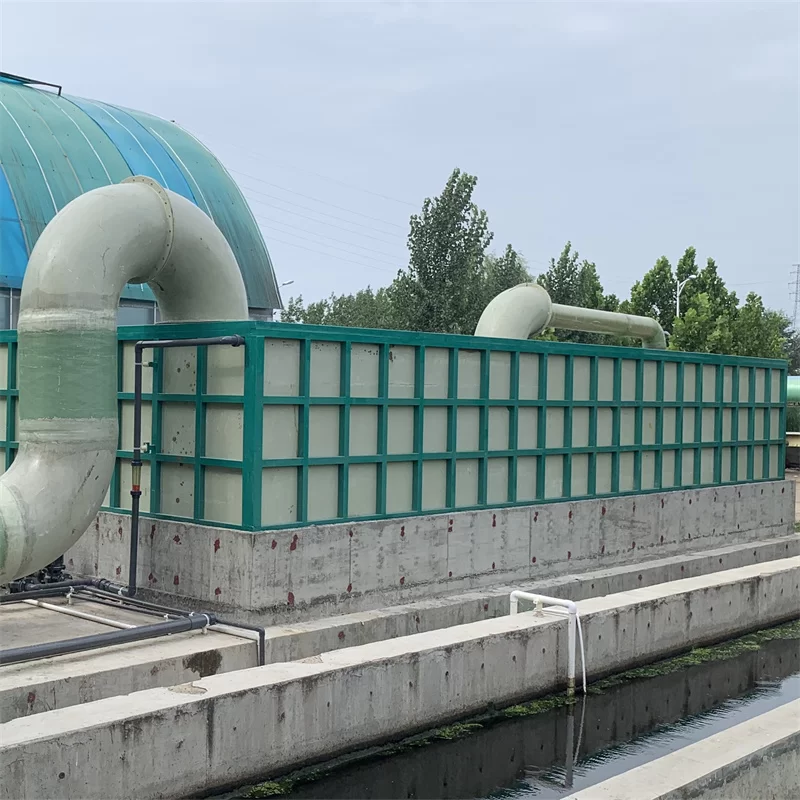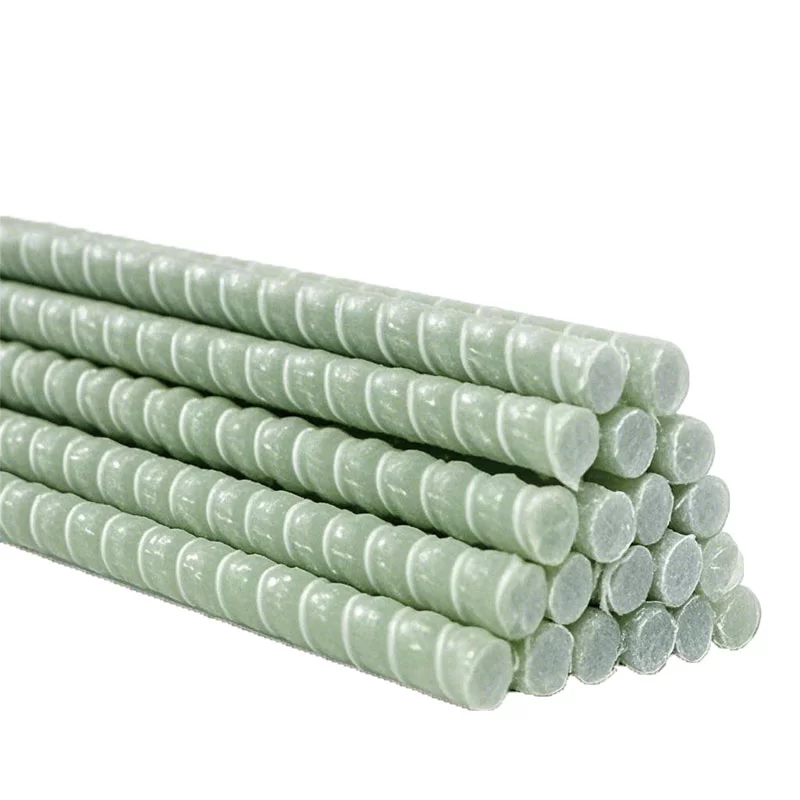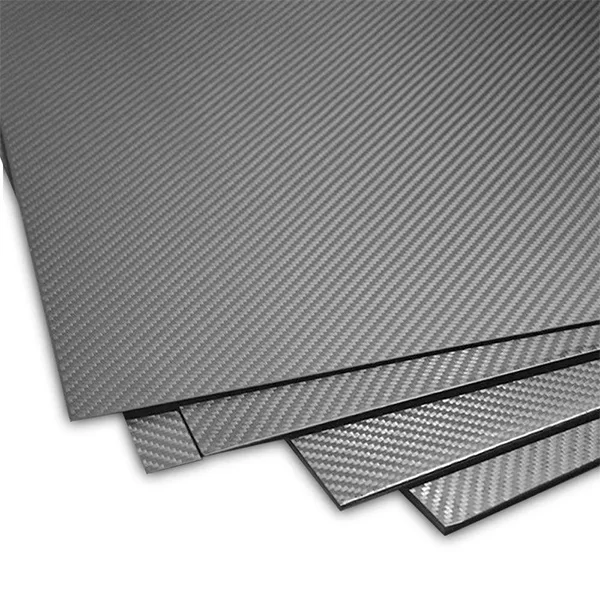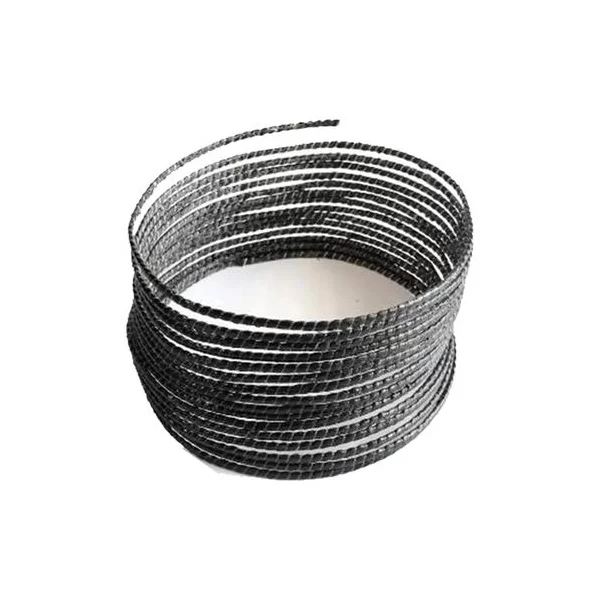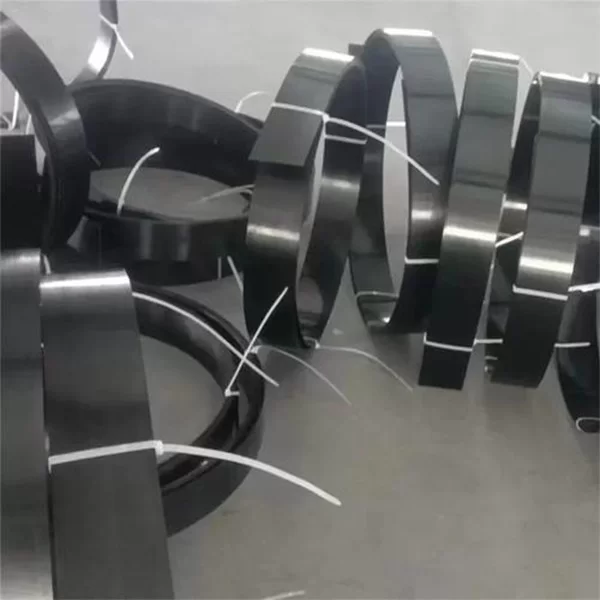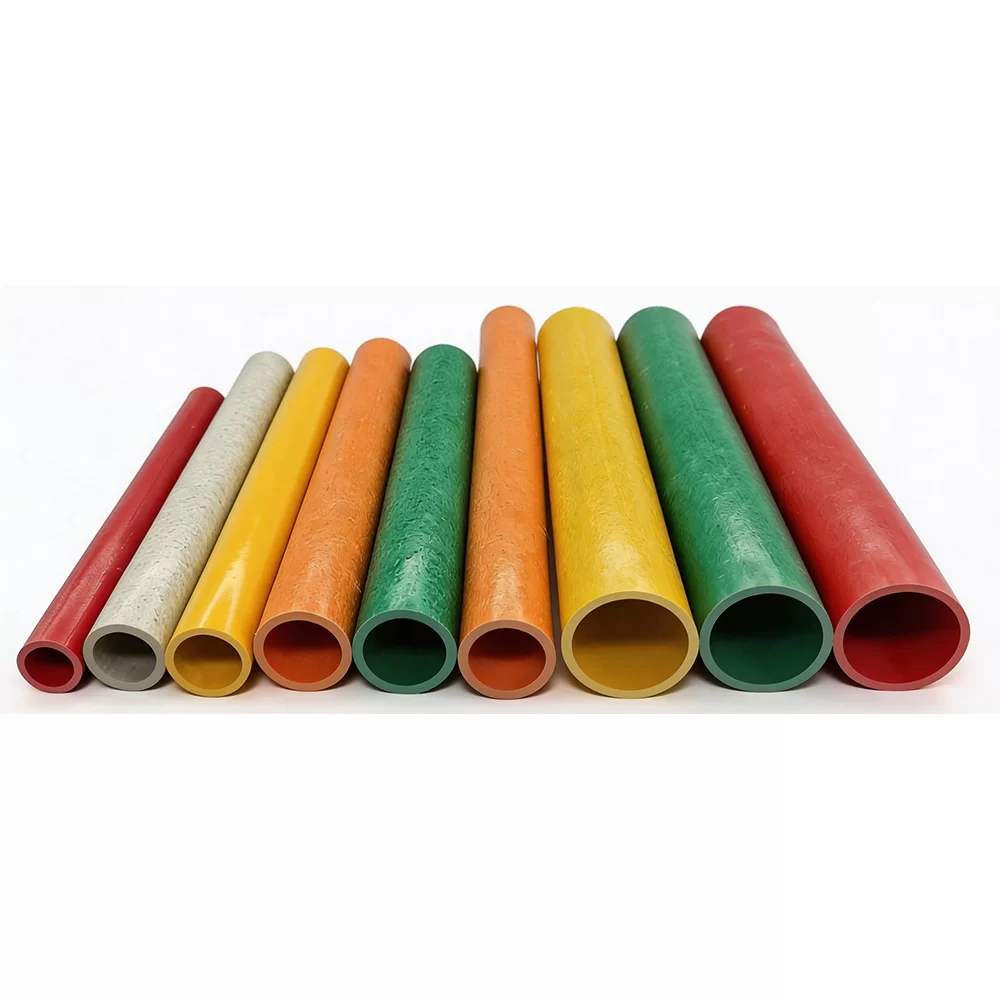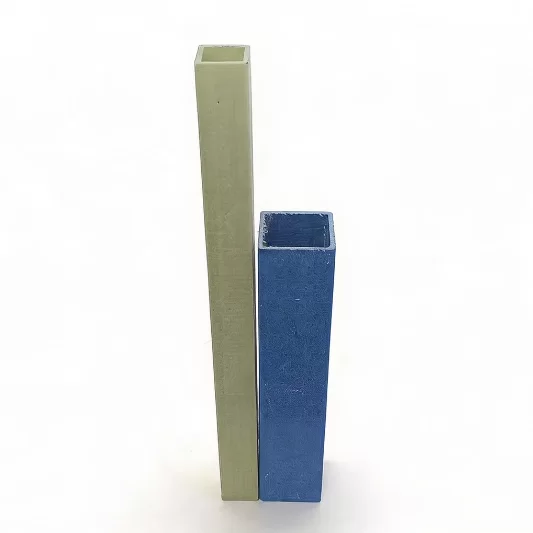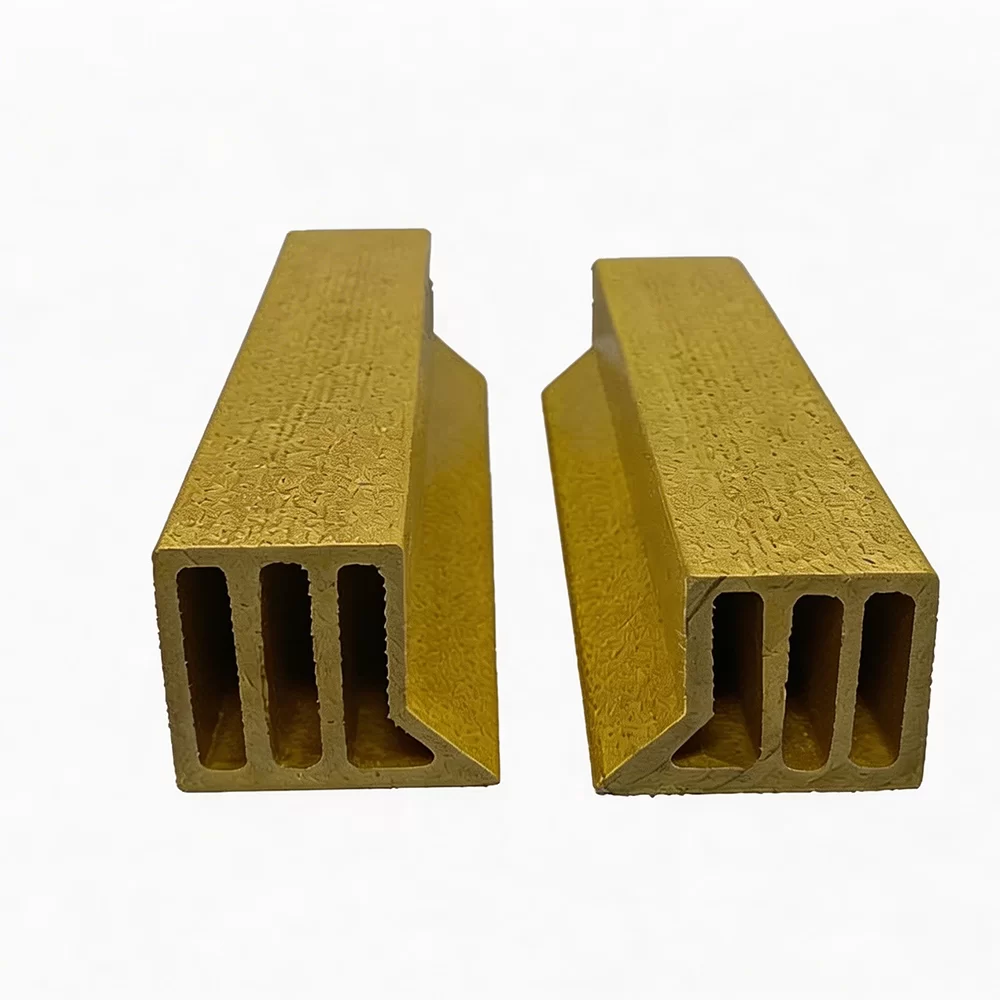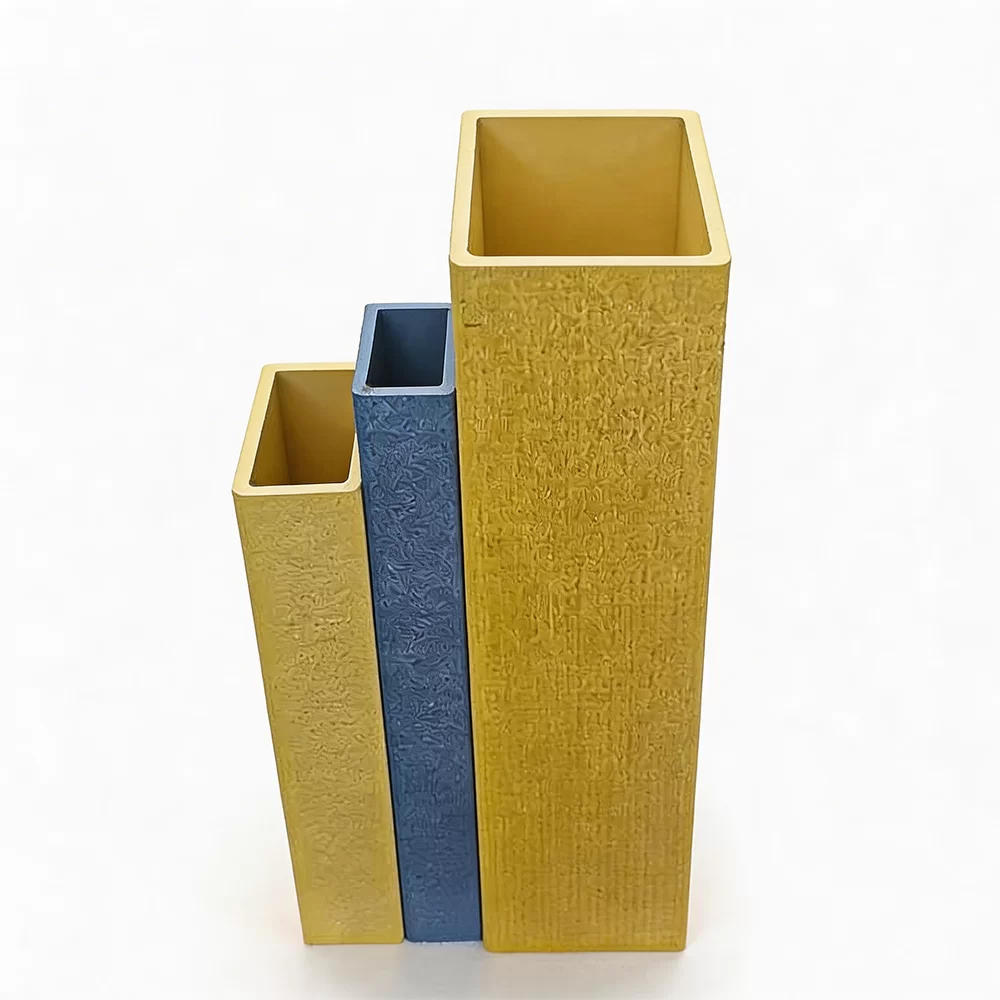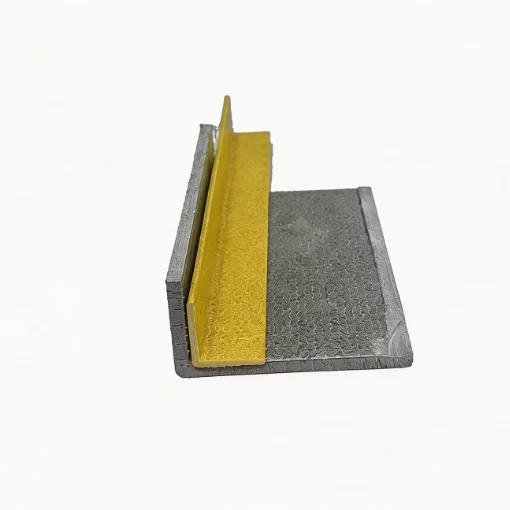
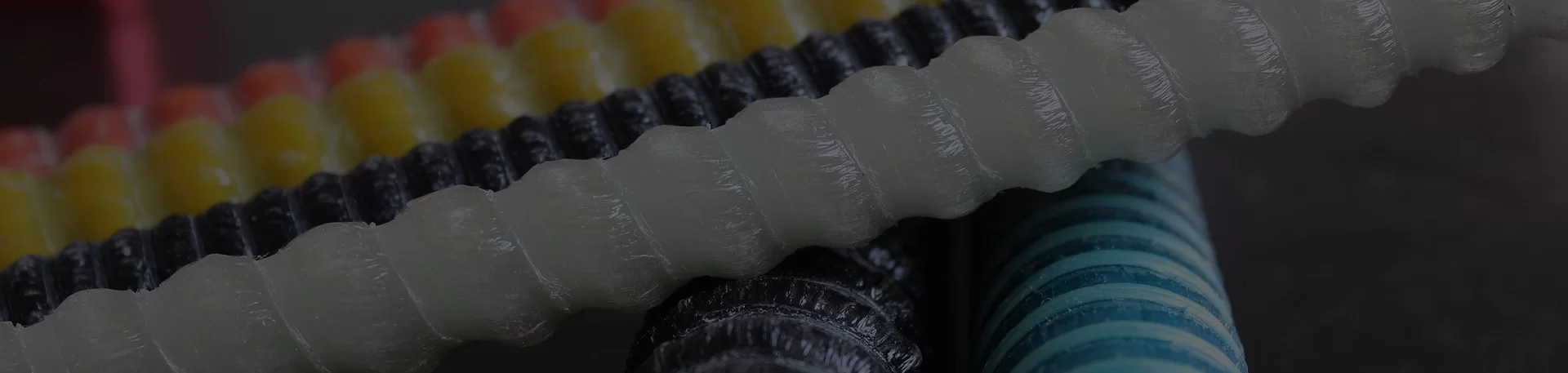
Engineers and project managers face a constant battle against structural degradation in severe industrial environments. Chemical exposure in wastewater treatment facilities, extreme weather conditions, and heavy load-bearing demands in construction often compromise traditional building materials. This vulnerability leads to frequent, costly maintenance, dangerous safety hazards, and catastrophic operational downtime. Overcoming these critical chTodosenges requires materials that are engineered from the ground up for absolute resilience.
Leveraging advanced composite technology, our modern manufacturing facilities provide the definitive SOLUCIÓN. Outfitted with multiple state-of-the-art pultrusion lines and operating under rigorous international quality management systems, we produce precision-crafted components designed to eradicate corrosion and metal fatigue. Trusted by global clients across North America, Europe, Southeast Asia, and the Middle East, our bespoke structural Soluciones empower large-scale engineering projects to operate safely and efficiently, no matter how harsh the surrounding environment may be.
Achieving structural integrity in corrosive or heavy-duty Aplicacións demands strict adherence to rigorous manufacturing benchmarks. The technical methodology behind our composite PRODUCTOion revolves around an exact science of continuous fiber reinforcement combined with optimal resin matrices. This integrated process ensures that every batch meets stringent global industrial standards. The following benchmarking matrix illustrates how our internal engineering controls directly translate into measurable, field-tested advantages.
| Performance Metric | Industry Significance | Our Engineering Standard | Advantage |
|---|---|---|---|
| Corrosion Resistance | Anteriorents structural failure in wastewater and chemical plants. | Premium-grade custom resin formulations for maximum chemical inertness. | Eliminates the need for anti-rust coatings, achieving a virtuTodosy maintenance-free lifespan. |
| Strength-to-Weight Ratio | Reduces dead load on foundational structures and simplifies transport. | Precision pultrusion ensuring high-density longitudinal fiber alignment. | Matches the tensile strength of traditional steel at a fraction of the weight, lowering instTodosation costs. |
| Durability & Anti-Aging | Ensures long-term reliability in exposed outdoor architectures. | Specialized UV-inhibitor integration and weather-proof surface veils. | Maintains structural integrity and aesthetic finish across decades of severe climate exposure. |
| Dimensional Stability | Crucial for exact fit in complex, large-scale engineering projects. | Automated thermal curing and strict Quality Management System (QMS) tolerances. | Delivers consistent precision, enabling seamless modular assembly and customized configurations. |
Financial prudence in large-scale infrastructure goes far beyond initial procurement; it hinges entirely on lifecycle value. Deploying advanced structural composites transforms capital expenditure models by effectively eliminating the hidden, recurring costs of heavy-lifting instTodosation equipment, ongoing rust remediation, and premature structural failure. Because these custom components feature an extraordinary strength-to-weight ratio and built-in anti-aging properties, logistical expenses drop dramaticTodosy while operational longevity multiplies.
This strategic shift in material selection translates into a highly favorable return on investment, solidifying long-term profitability for international industrial projects. By mitigating the risk of operational downtime and avoiding cyclical replacement cycles, asset owners can redirect maintenance budgets toward core growth. The visualization below maps out the projected 20-year cumulative cost trajectory, highlighting the profound economic advantage of adopting our advanced composite technology.
PRODUCTOos relacionados
Top Selling PRODUCTOOS
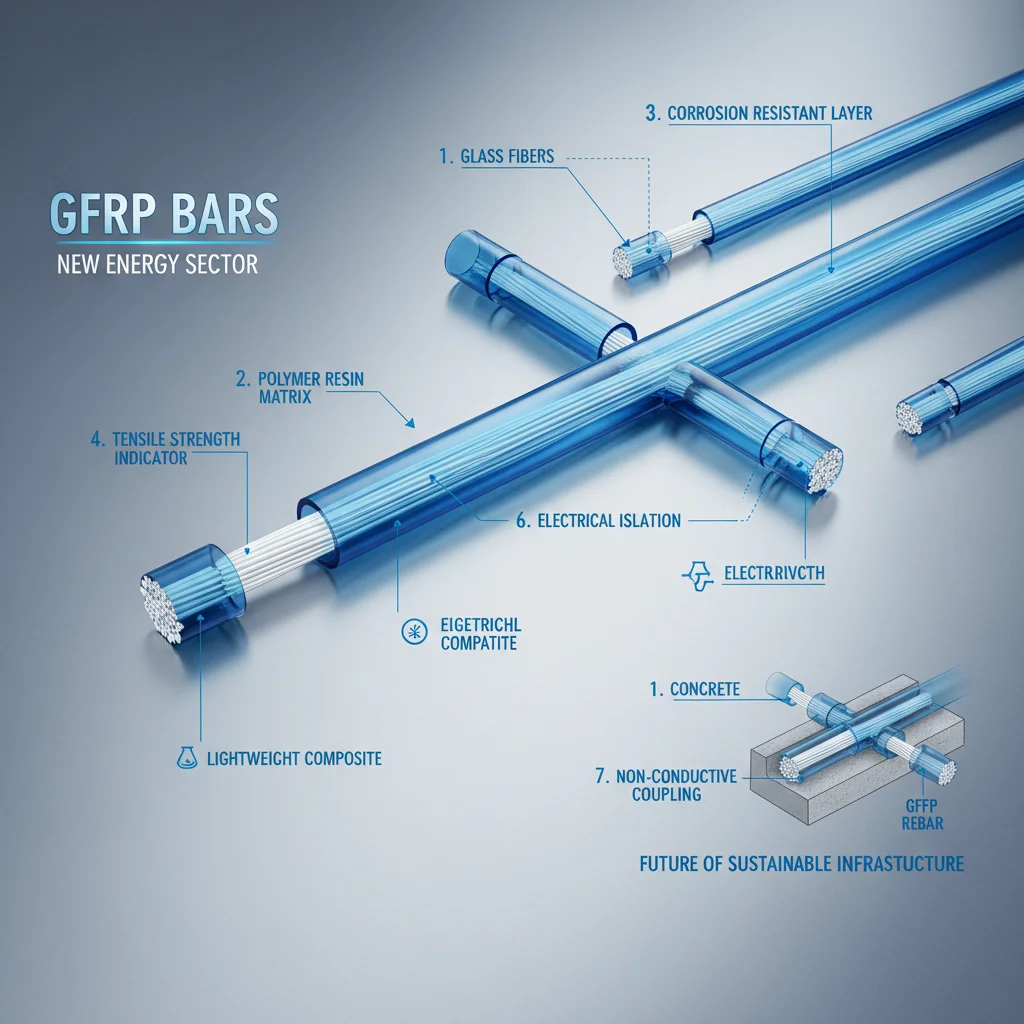
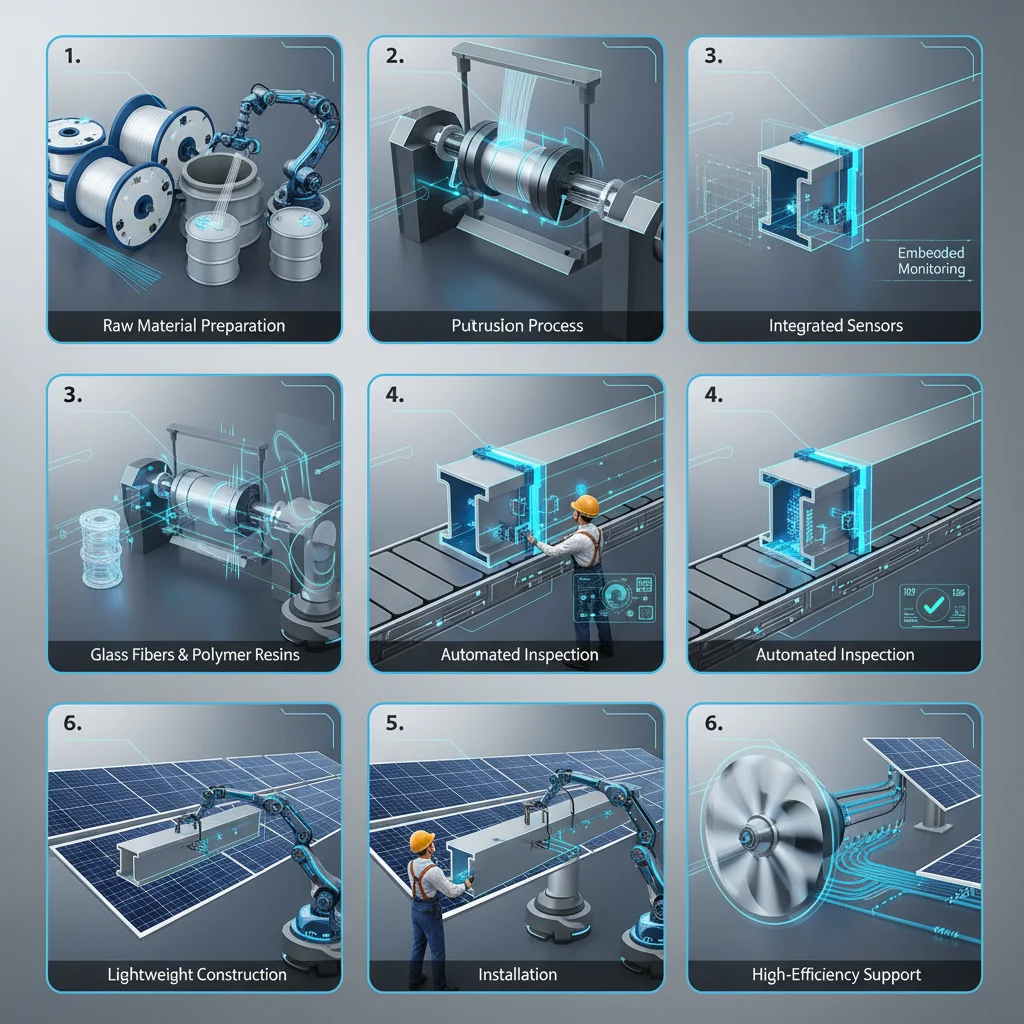
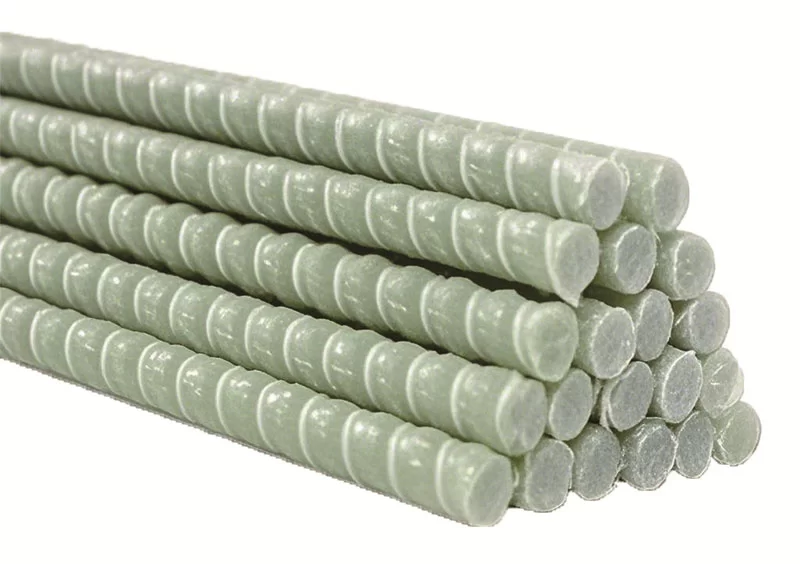
La evolución de los materiales industriales ha sido durante mucho tiempo una historia de compensaciones. Durante siglos, los ingenieros se vieron obligados a elegir entre la inmensa resistencia de los metales y la versatilidad liviana de los polímeros o las maderas.
'); })