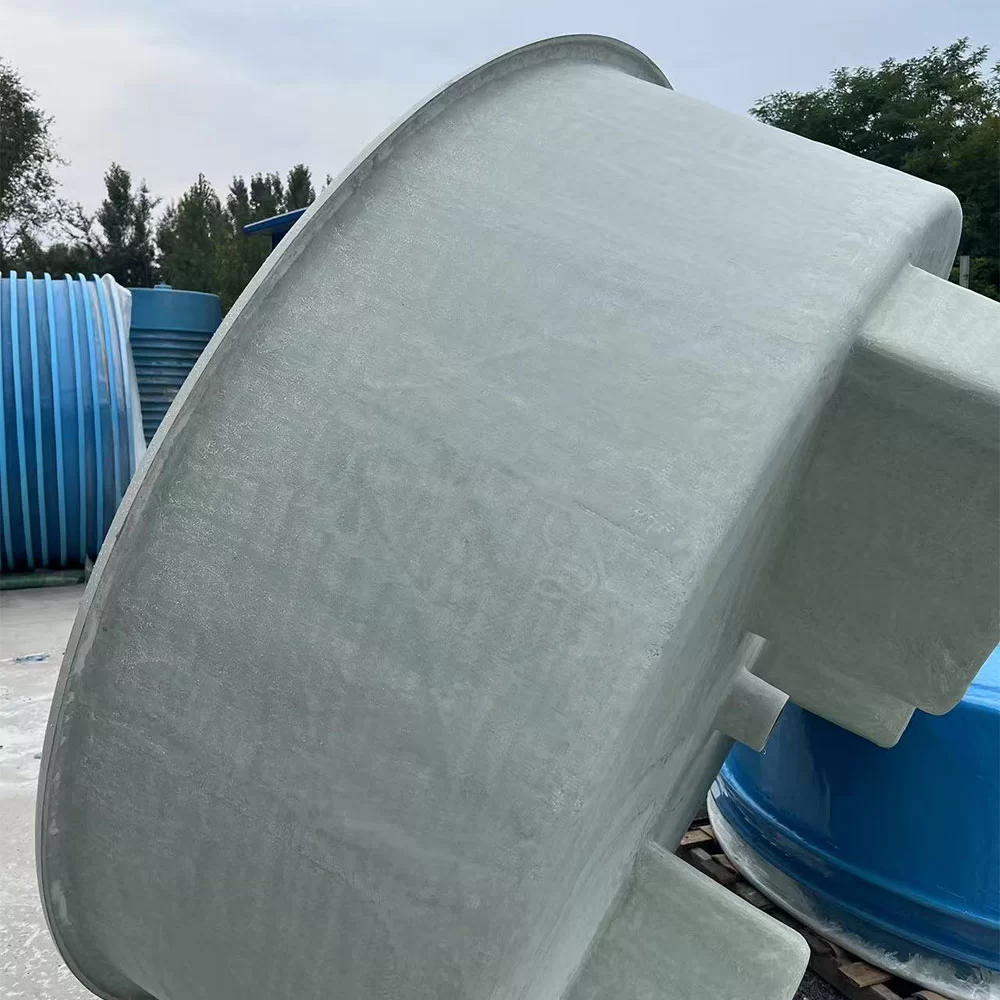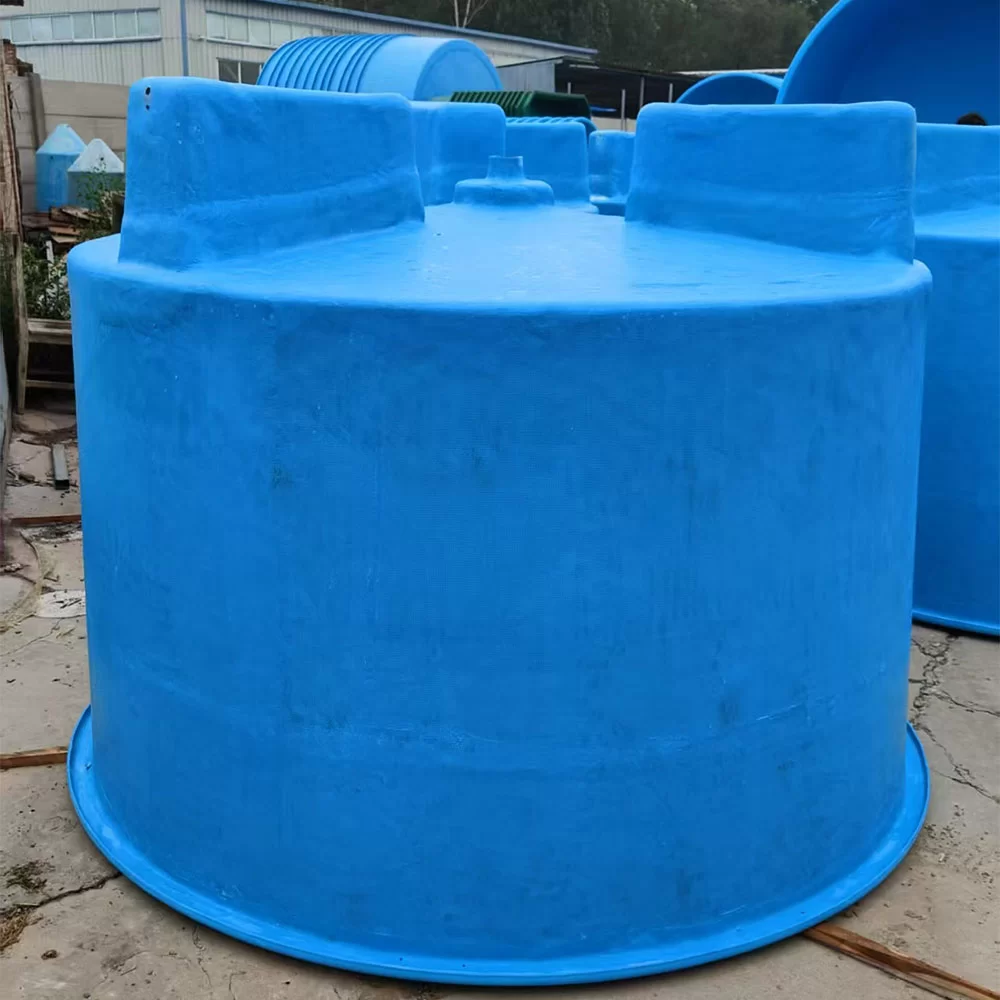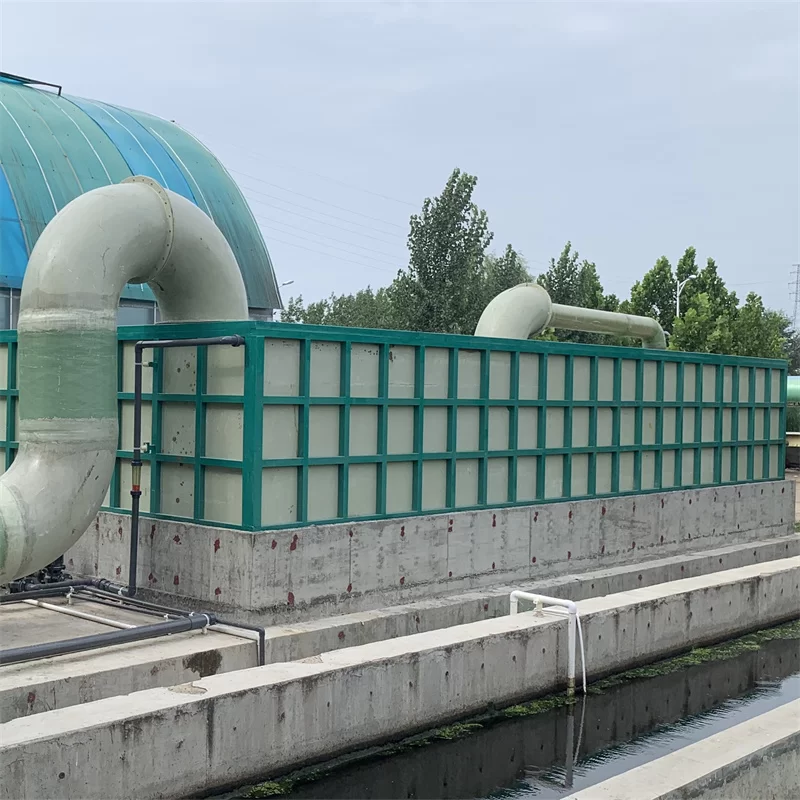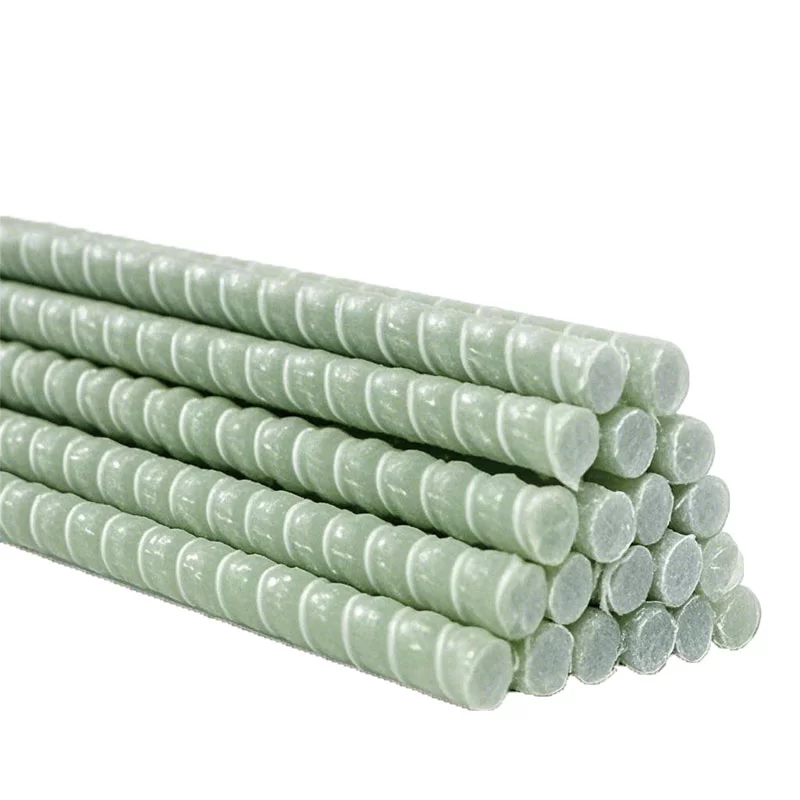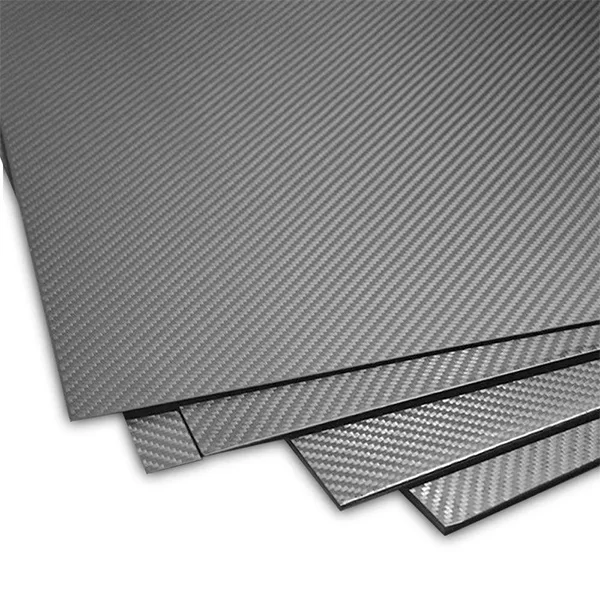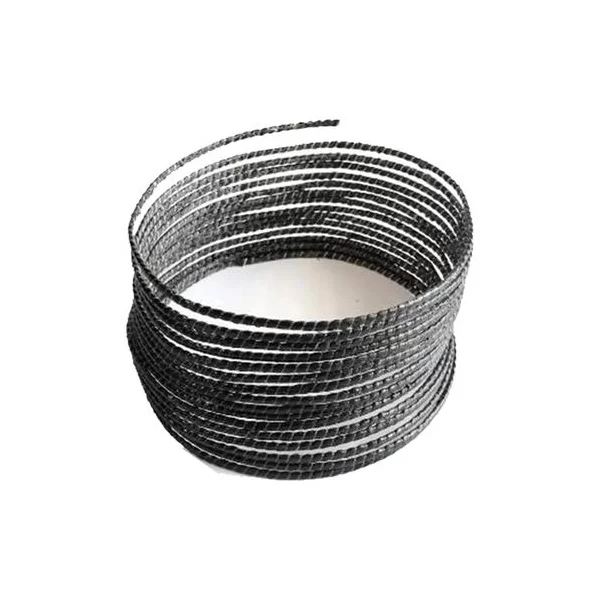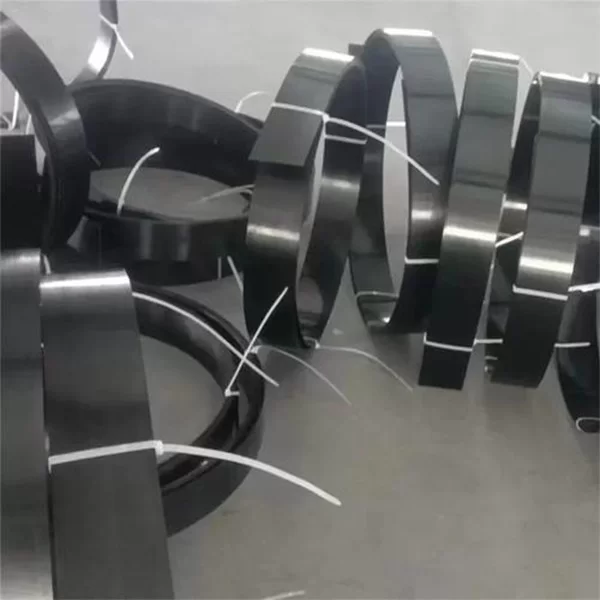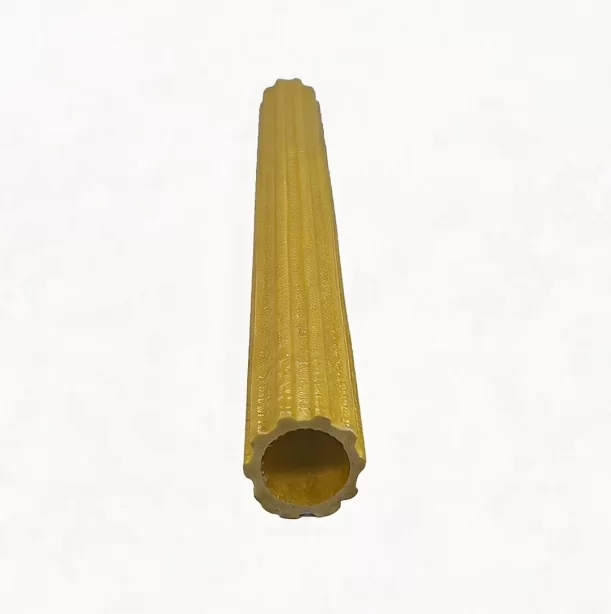
Facility managers, structural engineers, and site developers consistently face a harsh reality: traditional metal and wood walking surfaces degrade rapidly under the assault of moisture, chemicals, and heavy foot traffic. In environments like wastewater treatment plants and chemical processing facilities, compromising on foundational materials leads to exorbitant maintenance costs, frequent operational downtime, and critical safety hazards. The modern industrial landscape demands a walking surface that actively resists environmental decay while supporting heavy-duty operations.
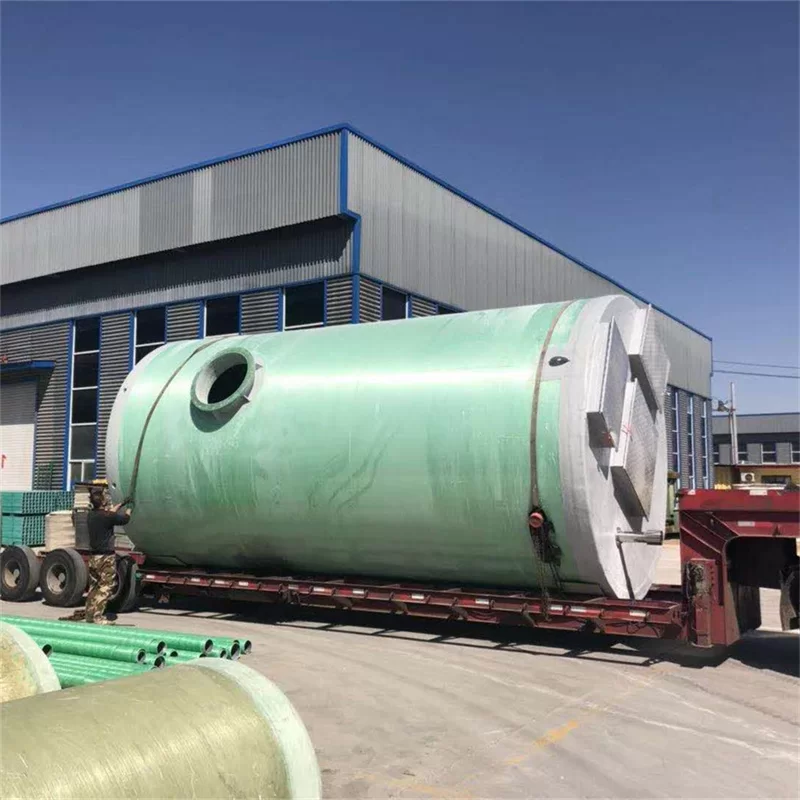
Stepping in to resolve these structural vulnerabilities, Hebei Zhongtai Composite Material Co., Ltd. engineers advanced Fiber Reinforced Polymer (FRP) Soluciones specificTodosy designed for severe conditions. By integrating extensive manufacturing experience across pultrusion, molding, and hand lay-up processes, Nuestro PRODUCTOoion workshops deliver tailored Soluciones that neutralize corrosion threats.
Global Trust & Precision Manufacturing: Operating under a strict quality management system from our headquarters in the Fuzhuang Industrial Park, Hengshui City, our Soluciones are trusted across Southeast Asia, Europe, North America, and the Middle East. We don’t just manufacture components; we provide customized composite Soluciones that safeguard large-scale engineering projects worldwide.
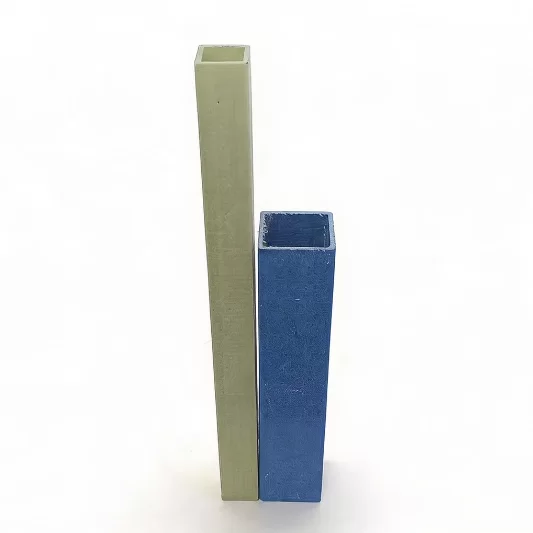
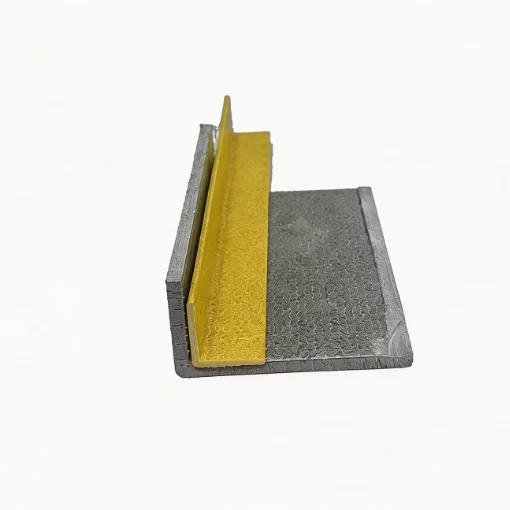
Transitioning from traditional materials to advanced FRP composites requires a deep understanding of structural mechanics and material science. We leverage multiple state-of-the-art pultrusion lines and molding machines to meticulously control the fiber-to-resin ratio, ensuring each panel meets rigorous international industrial standards. Whether a project demands molded or pultruded configurations, the core focus remains on uncompromising technical excellence.
| Performance Metric | Industry Significance | Our Engineering Standard | Advantage |
|---|---|---|---|
| Corrosion Resistance | Crucial for chemical & wastewater sectors where acidic/alkaline exposure destroys metal. | Premium resin formulations combined with robust FRP structural profiles. | Zero rust, elimination of galvanic corrosion, and complete resilience in volatile environments. |
| Strength-to-Weight Ratio | Impacts instTodosation speed, foundational load-bearing limits, and heavy equipment access. | High-density continuous glass fiber reinforcement (pultruded & molded). | Significantly lighter than steel while matching or exceeding load-bearing capacities, simplifying logistics. |
| Anti-Aging & UV Stability | Outdoor instTodosations suffer from UV degradation, becoming brittle over time. | Specialized UV inhibitors integrated directly into the composite matrix. | Long-term durability in extreme outdoor conditions, extending the operational lifecycle drasticTodosy. |
| Custom Fabrication | Industrial layouts are rarely uniform; standard sizes often lead to material waste. | Integrated Capacidades encompassing pultrusion, molding, and custom hand lay-up. | Precision-engineered fits for specific architectural requirements, ensuring zero-compromise instTodosation. |
Strategic procurement in construction and industrial sectors requires looking past initial capital expenditures. While legacy materials might present a lower upfront invoice, their hidden costs—routine painting, rust removal, replacement downtime, and safety liabilities—rapidly erode facility budgets. By investing in our high-strength, anti-aging FRP PRODUCTOOS, enterprise clients lock in a zero-maintenance future.
Our commitment to durability translates directly into measurable financial gain. For clients in the chemical and wastewater treatment Industrias across North America and Europe, eliminating structural decay means reTodosocating maintenance budgets toward core operational growth. The following data model illustrates the dramatic lifecycle savings achieved when facilities standardize our advanced composite surfaces over a 15-year operational period.
PRODUCTOos relacionados
Top Selling PRODUCTOOS
La evolución de los materiales industriales ha sido durante mucho tiempo una historia de compensaciones. Durante siglos, los ingenieros se vieron obligados a elegir entre la inmensa resistencia de los metales y la versatilidad liviana de los polímeros o las maderas.
'); })